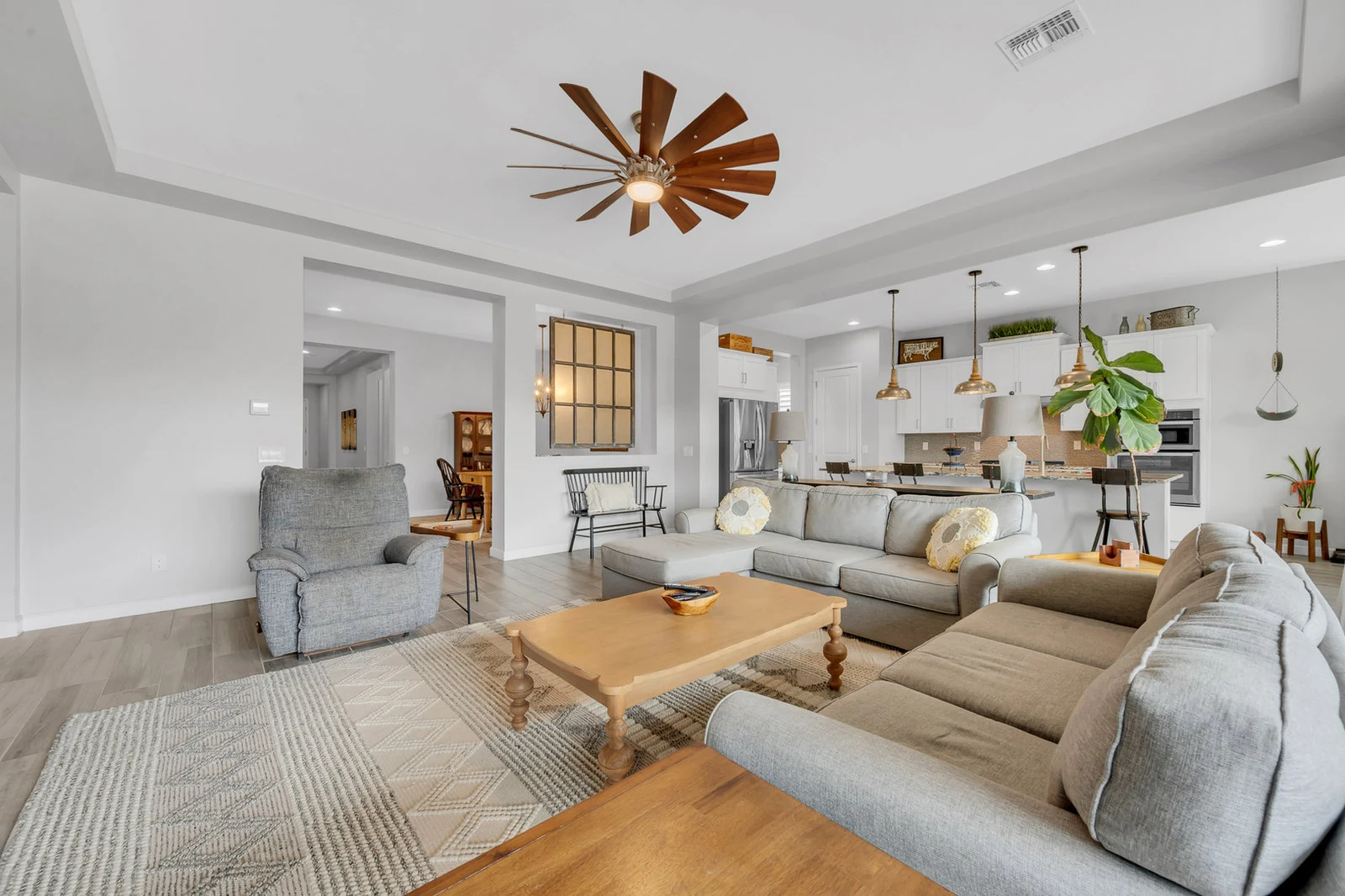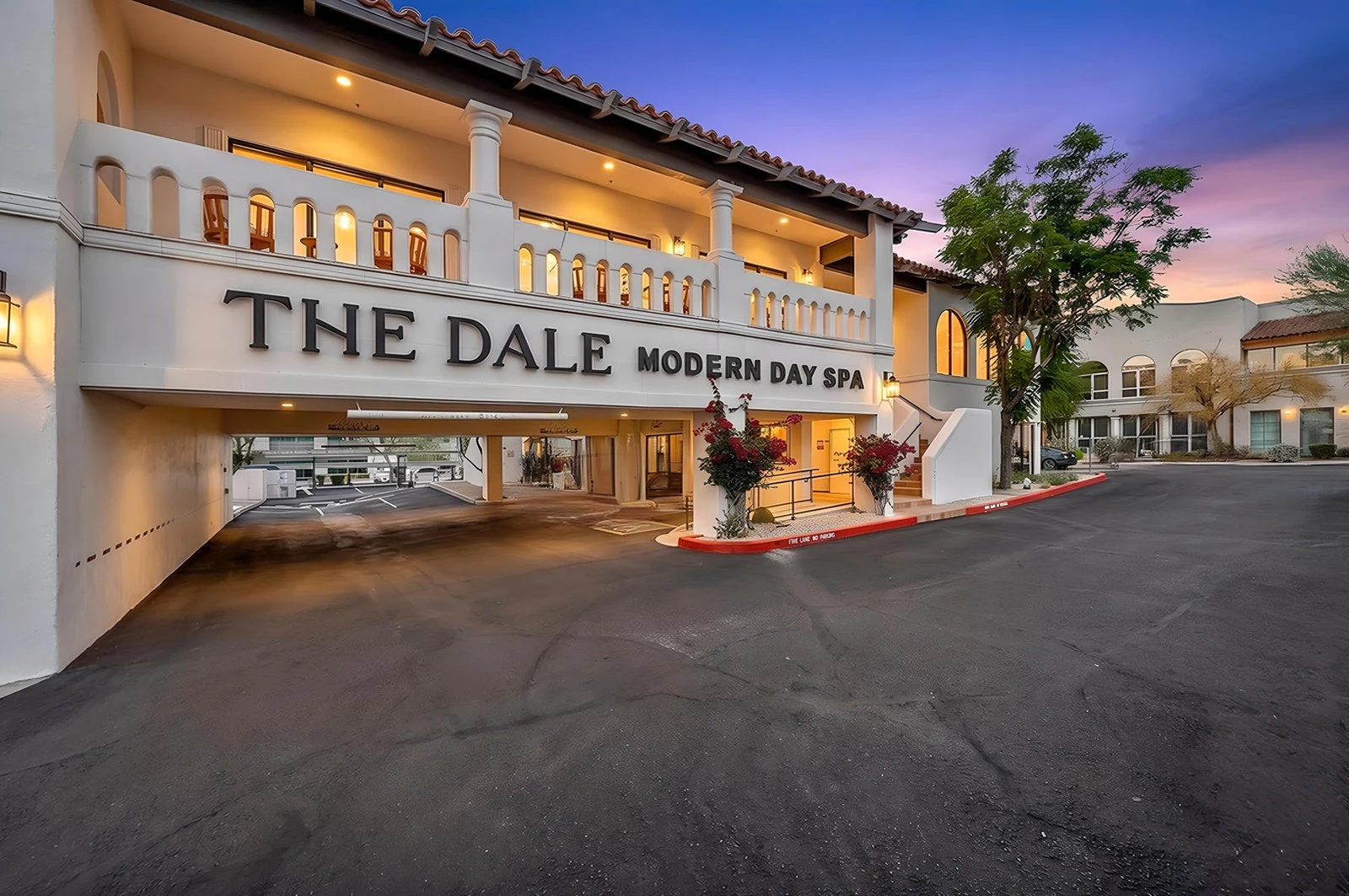
Most agents know that great listing photos sell homes faster. What fewer agents — and almost no developers, builders, or commercial property owners — fully understand is that the same principle applies with even greater force on the commercial side.
A retail space, an office building, a mixed-use development, an HOA amenity center — these properties are evaluated almost entirely on visual presentation before anyone schedules a tour. And yet, the photography on most commercial listings in the Phoenix metro looks like it was taken on a lunch break with a phone. That gap is an opportunity.
What Commercial Photography Actually Covers
Commercial real estate photography isn't just "listing photos for a bigger building." It's a different discipline that requires a different approach, different equipment, and a different eye for what makes a property's value visible. At The Listing Bees, our commercial photography services cover a wide range of property types and use cases:
Active construction and development documentation — progress photography for developers, builders, general contractors, and lenders who need a visual record from groundbreaking through certificate of occupancy. These images serve due diligence requirements, investor reporting, draw requests, and marketing simultaneously.
Completed commercial property — retail centers, office buildings, industrial facilities, mixed-use developments, and medical or professional office spaces photographed for lease marketing, sale listings, or portfolio documentation.
HOA and community amenity photography — clubhouses, fitness centers, pools, parks, and common areas photographed for HOA marketing materials, community websites, and annual reports.
New construction communities — model homes, design centers, and community amenity areas for homebuilders marketing new developments across the Phoenix metro.
Before-and-after renovation documentation — commercial remodels, retail tenant improvements, and office buildouts photographed before and after to document the transformation for owners, lenders, and future tenants.
Why Commercial Photography Usually Fails
Walk through any commercial real estate listing on LoopNet or CoStar and you'll see the same problems repeatedly:
Unflattering angles that shrink the space. Commercial interiors — open floor plans, warehouse space, retail — have a spatial quality that only wide-angle, properly positioned photography can capture. Phone cameras can't render the actual scale of a 4,000 square foot open floor plan. They make it look like a hallway.
Blown-out windows and uneven lighting. The contrast between bright Arizona sunlight and a building's interior is extreme. Without HDR processing and proper exposure blending, you get either a properly exposed interior with completely blown-out white windows, or exposed windows with a dark, underexposed interior. Neither represents the property accurately.
No location context. Commercial tenants and buyers care intensely about visibility, access, parking, surrounding businesses, and neighborhood character. Ground-level photography alone can't communicate any of that. Aerial drone photography tells a location story that no amount of interior photos can replicate.
Rushed turnaround that shows. Commercial photography is often treated as an afterthought — something to knock out in 45 minutes before the listing goes live. The difference between rushed and properly planned commercial photography is visible in every single image.
The Drone Advantage in Commercial Real Estate
If there's one investment that pays disproportionate returns in commercial property marketing, it's aerial drone photography. For commercial properties, drone photography communicates things that ground-level photos simply cannot:
- Parking capacity and configuration — one of the top decision factors for any retail or office tenant
- Access and visibility from major roads and intersections
- Proximity to highways, amenities, and neighboring businesses
- Lot size and expansion potential
- Roof condition — relevant for buyers and lenders evaluating older commercial buildings
- The full scope of large facilities — warehouses, distribution centers, and manufacturing properties that simply can't be comprehended from the ground
Phoenix's flat topography and reliably clear skies make aerial photography exceptionally effective. A drone shot of a commercial property at a busy intersection, showing the surrounding retail, the highway access, the parking field, the visibility from the road — tells a prospective tenant more about a location's viability than three pages of a lease brochure.
Construction and Development Projects
Builds in progress need a different kind of coverage. Ongoing progress content, build films and job-site marketing are handled by our sister studio Copper Frame Media, and measured records such as as-builts and pre-drywall scans by RevealBuilt. The Listing Bees photographs the finished property when it is ready to lease or sell.
What Makes Commercial Photography Different from Residential
Scheduling is more complex. Residential shoots happen around the seller's schedule. Commercial shoots need to coordinate with building management, active tenants, construction crews, and sometimes lender or investor schedules.
Staging considerations are different. Vacant commercial space needs to be photographed to show its potential — scale, light, flow — without the staging cues that residential photography relies on. Occupied space needs to respect active business operations while showing the property's best attributes.
The deliverables serve more purposes. Residential photography produces a gallery for MLS. Commercial photography produces images that end up in lease brochures, offering memorandums, investor presentations, lender packages, websites, social media, and print materials — often simultaneously.
Exterior presentation matters more. Signage, parking, landscaping, building condition, and site access are all part of the commercial property's value proposition in a way they typically aren't for residential. Getting the exterior right — including aerial — is often more important than the interior work.
Who Should Be Using Commercial Photography
- Commercial real estate agents and brokers marketing office, retail, industrial, or mixed-use listings on LoopNet, CoStar, or through direct outreach
- Residential agents who work with builders — model home photography and community amenity documentation are a natural extension of residential listing work
- Developers and builders who need completion photography of finished projects
- General contractors who want to document completed work for their portfolio or maintain a visual record of ongoing projects
- HOA management companies that need updated photography of community amenities for websites, welcome packages, and annual meeting materials
- Property managers marketing vacant commercial space for lease and needing images that perform across multiple platforms and marketing formats
Serving the Phoenix Metro's Commercial Market
The Listing Bees serves 22 cities across the Phoenix metro, and our commercial photography work spans the full geography — from new construction communities in Buckeye and Queen Creek to commercial corridors in Scottsdale, Chandler, and Gilbert, to urban infill projects in Phoenix and Tempe. We understand the Arizona market because we've photographed it — more than 5,000 properties across every price point, property type, and context the Valley has to offer.
If you have a commercial listing or a property that needs photography that actually represents its value, we'd like to talk. Call us at (602) 848-8262 or get a custom quote through our contact page.