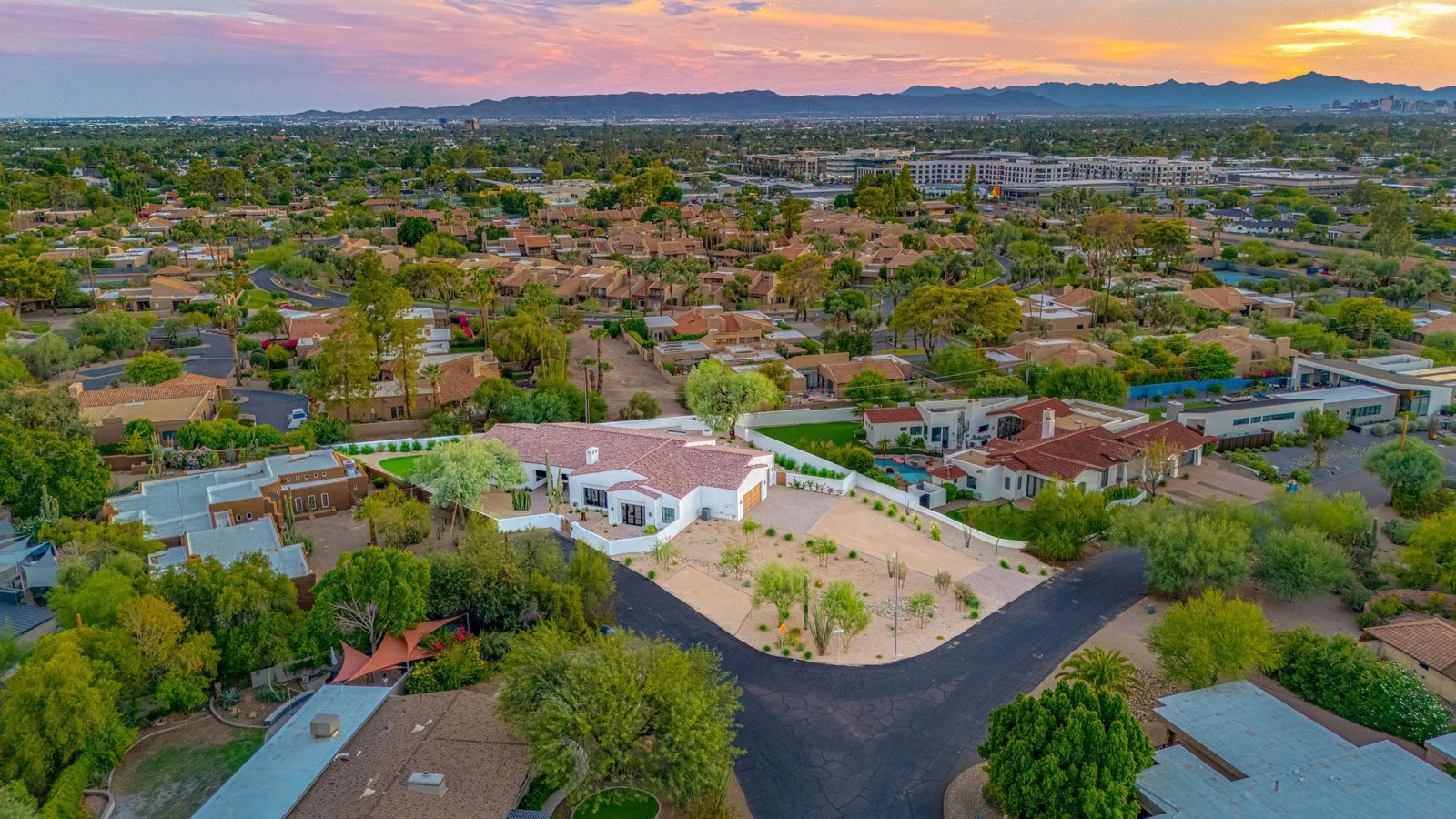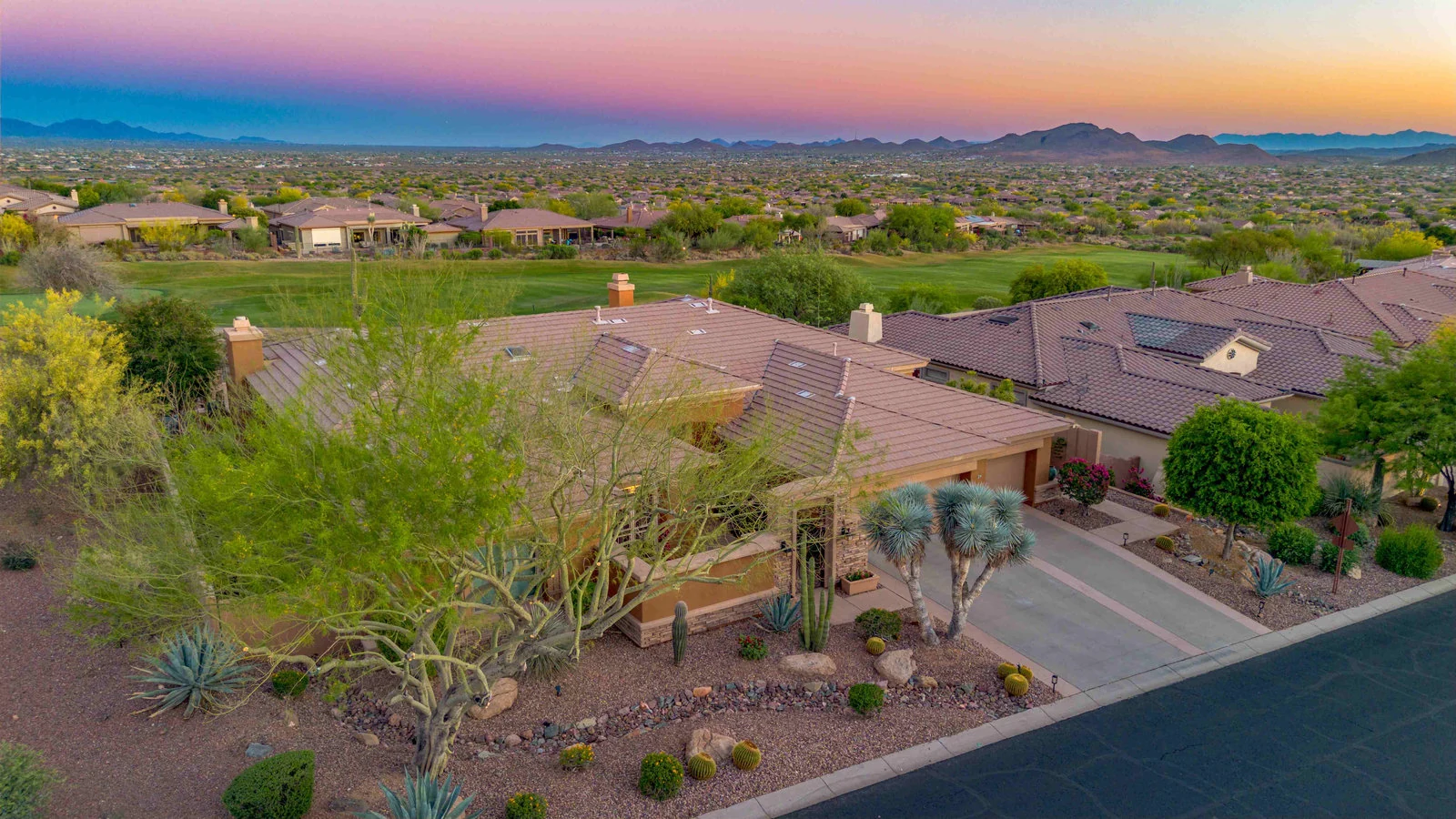
Drone photography used to be a premium add-on reserved for luxury listings. In the Phoenix market today, it's becoming the expected baseline for any home priced above $500K — and for plenty of homes below that price point too. But here's the honest truth most photographers won't tell you: drone work isn't right for every listing.
Knowing when an aerial shot will genuinely move the needle (and when it's just extra cost without extra value) is one of the marks of an experienced listing agent. Here's how we think about it.
When Drone Photography Genuinely Pays Off
Acreage and large lots. If the home sits on a third of an acre or more, the lot itself is part of the value proposition — and the only way to communicate that visually is from above. Ground-level photography simply cannot capture lot size.
Pool homes and outdoor amenities. Aerials show the entire backyard ecosystem — pool, spa, ramada, putting green, casita, RV gate — in one frame. For Phoenix buyers, the backyard is often as important as the interior.
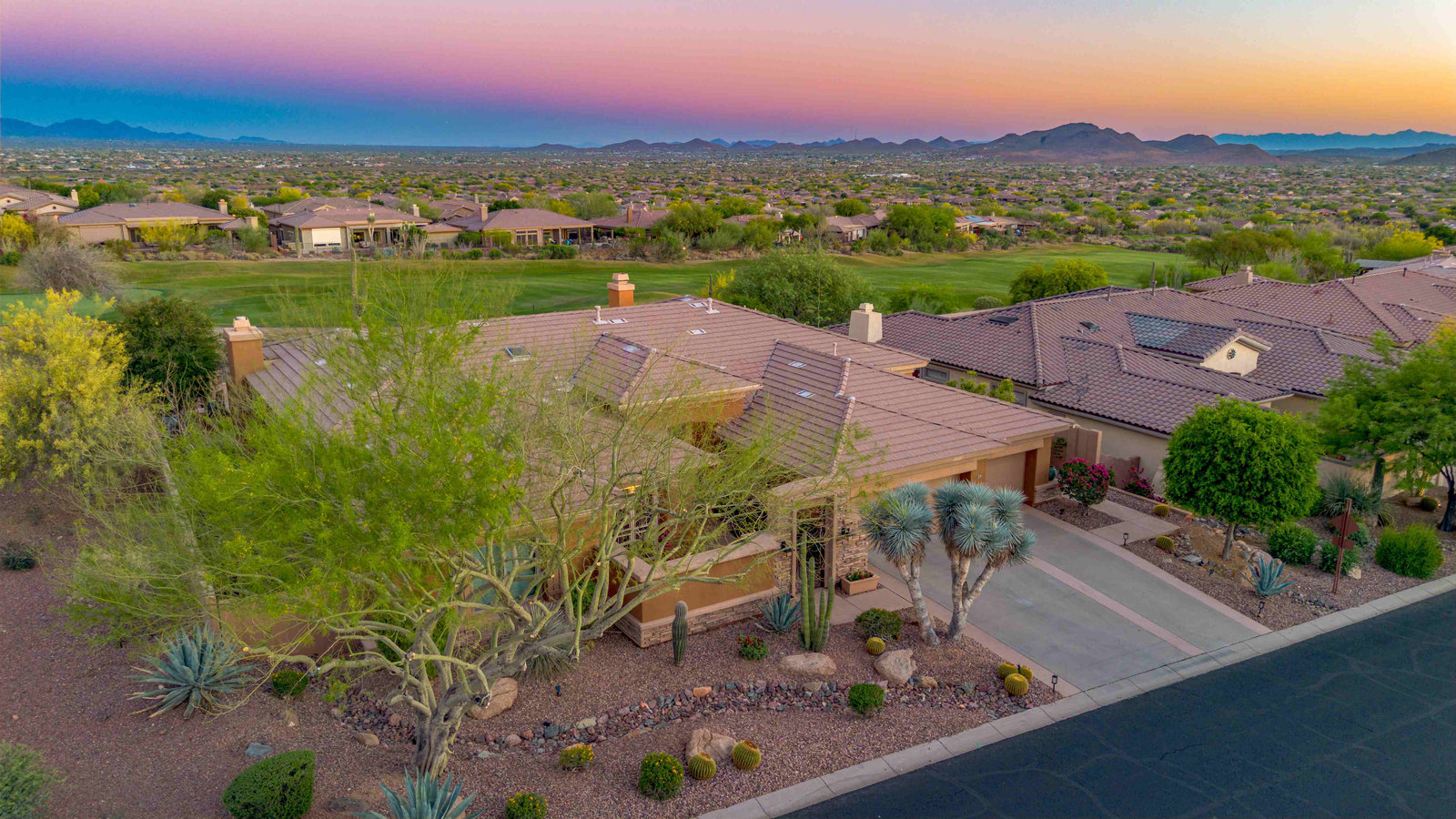
Community context. Drone shots establish proximity to mountains, golf courses, parks, lakes, hiking trails, and major roads. In Arizona, that context often matters more than buyers will admit. A home backing to a wash with mountain views photographs entirely differently from a home in the middle of a dense subdivision.
Multi-million dollar luxury. At this price point, drone is non-negotiable. Buyers expect aerial cinema, not just snapshots.
When Drone Photography Is Overkill
Dense townhome or condo listings. If the home is one of 200 nearly identical units, aerial photography won't differentiate it — and may actually highlight how packed the development is.
Interior-focused homes. If the lot is small and the home's value is in its interior finishes, putting marketing dollars into kitchen and primary suite photography will return more than another aerial shot.
Cookie-cutter subdivisions without distinguishing features. When every roof looks the same from 200 feet up, drone doesn't add to the story.
What Quality Drone Work Looks Like
Multiple altitudes. A good drone shoot mixes high overview shots with mid-altitude property-focused frames and low cinematic passes. The variety creates visual rhythm in your listing gallery.
Smart angles. The best aerial shots aren't always straight down. A 45-degree angle from the corner of the lot often tells the story better than a pure overhead view.
Sky and lighting awareness. AZ skies can be brutally bright at midday. Quality drone work either flies in the golden hour windows or post-processes carefully to balance sky exposure.
Cost vs. Return
Drone is one of the highest-ROI add-ons in real estate marketing because it costs little relative to the listing's marketing budget but materially changes the listing's polish. Even on a $400K home, $100 in aerial work that delivers one or two great hero shots is the kind of detail buyers notice.
And once an agent commits to drone as standard, their brand benefits. Listings that consistently include aerial imagery signal seriousness — which is exactly the signal future sellers are looking for when they choose their listing agent.
The Bottom Line
Drone isn't right for every listing. It's right for any listing where the lot, the surroundings, or the price point makes ground-level photography incomplete. If you're not sure, ask your photographer — they should be able to tell you honestly whether aerial work will pay for itself on a given home.
Learn more about our drone photography service.