
When a Camera Isn't Enough: Why Wannabe Photographers Are Failing $800,000 Listings
- Marcus Fleming
- 4 days ago
- 7 min read
Not everyone with a camera is a real estate photographer.
That sentence sounds obvious until you're staring at the listing photos for your $800,000 home and wondering why the kitchen looks like a utility closet, why the pool is an unnatural electric blue, and why the drone shot of your house has the home slightly off-center like the pilot was looking the other way.
This post isn't theoretical. It's a real account of what happens when a seller hires a photographer who calls themselves a professional — brings a camera, charges professional prices, promises professional results — and delivers work that fails on nearly every technical dimension that matters in real estate photography. It's also the story of what happened after The Listing Bees stepped in and reshot the entire home.
The before-and-after images below are from the same home. Same rooms. Same backyard. Same price tag. Two very different results.
The Problem: A Camera Doesn't Make a Photographer
Real estate photography is a specific discipline with technical requirements that differ from general photography. A photographer who shoots portraits, events, or landscapes may own professional camera equipment and still be completely unqualified to photograph a home for the MLS. The skills don't automatically transfer. And the gaps show up immediately in the photos.
Here's what went wrong on this shoot — documented by the seller's own notes — and why each issue matters for a listing at this price point.
Issue #1: No True Wide-Angle Lens
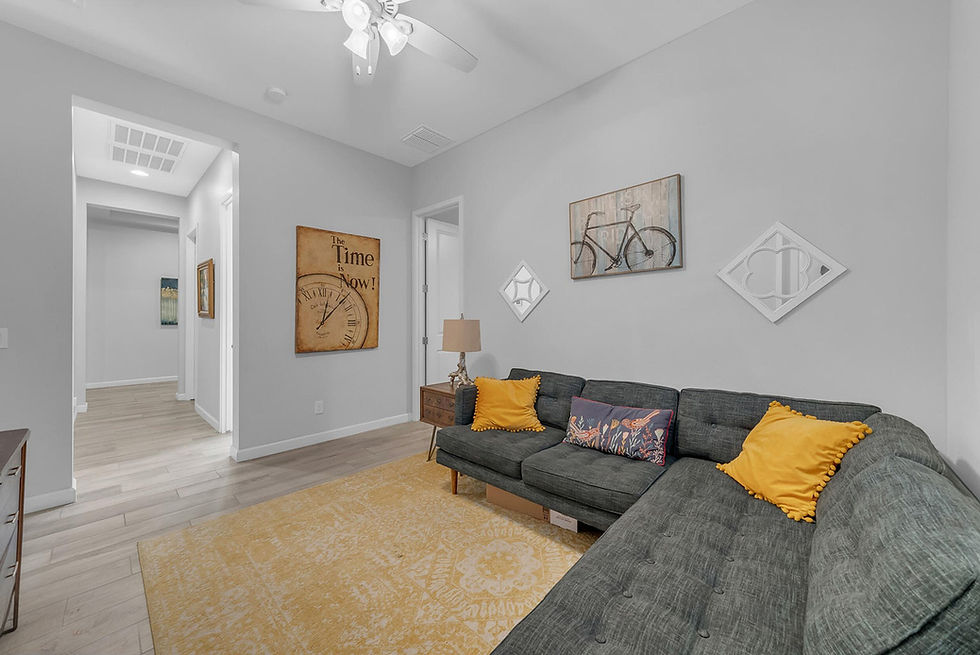
Real estate interior photography requires a true wide-angle lens — typically 16mm to 24mm on a full-frame camera — specifically because rooms are bounded by walls. A standard or mid-range lens simply cannot capture the full context of a room. The result is photos that feel cramped and narrow, that cut off furniture, and that make spaces appear significantly smaller than they actually are.
On this $800,000 Mesa home, the photographer's lens was not a true wide-angle. The photos of the kitchen, living areas, and bedrooms all show narrow, confined framing that fails to communicate the actual size of the spaces. For buyers browsing Zillow, these photos suggest a smaller, less impressive home than reality. That costs showings.
➡️

Issue #2: Poor Framing and Cropped Furniture
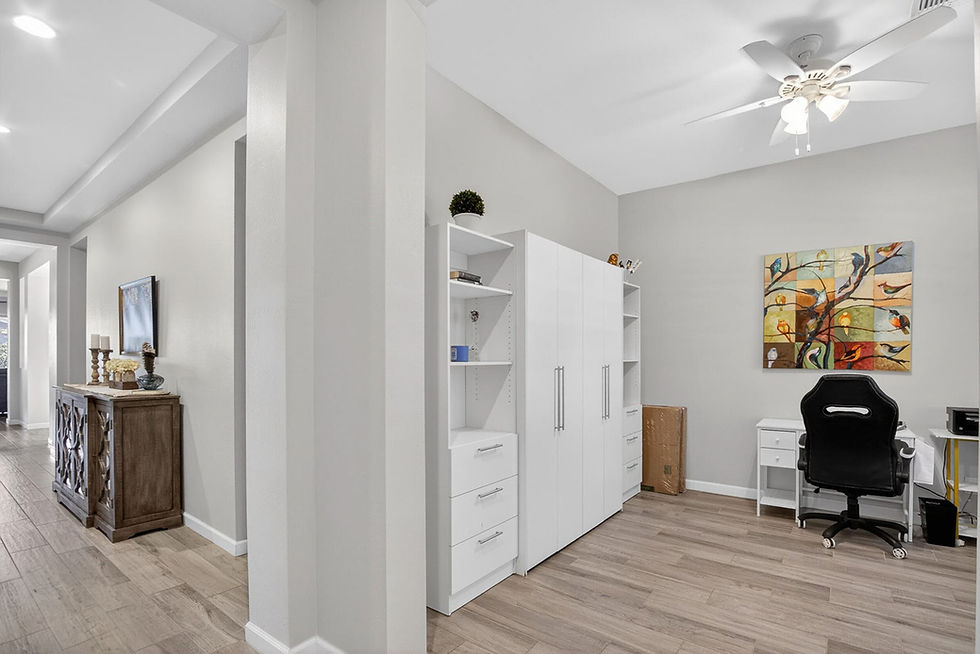
Framing in real estate photography isn't just aesthetic preference — it's a craft decision that guides a buyer's eye through the home. Every shot should have a clear focal point, clean edges, and a composition that emphasizes the room's best feature. Furniture should be fully visible or intentionally excluded. Partial furniture cuts create visual noise that distracts buyers and makes photos feel amateurish.
One particularly egregious example from this shoot: a photo where the dominant focal point is a structural pillar or column in the middle of the frame. The room beyond it is what should be featured. The pillar is a visual distraction. A professional either finds the angle that incorporates the architectural element naturally, or skips the shot entirely. This photo should never have been submitted.

➡️

Issue #3: Destructive Desaturation — Editing That Erases the Home
This is arguably the most damaging issue of the entire shoot, and it reveals a fundamental misunderstanding of real estate editing.
When interior photos have excessive warm tones from incandescent lighting, the correct approach is to balance the white balance during editing — not to desaturate the entire image. Desaturation strips color from everything: the wood-tone floors, the warm countertops, the natural finishes that represent the actual upgrades in the home. The result is a flat, gray, lifeless image that doesn't look like the home buyers will walk into.
In this case, the seller invested in premium finishes throughout the home. The floors, cabinetry, and countertops are significant value-adds that buyers should be excited about. In the desaturated photos, they look generic and dull — effectively hiding the upgrades that justify the price. When buyers visit the home after seeing these photos, they're surprised to find a substantially more beautiful property than they expected. That's a problem that costs offers.
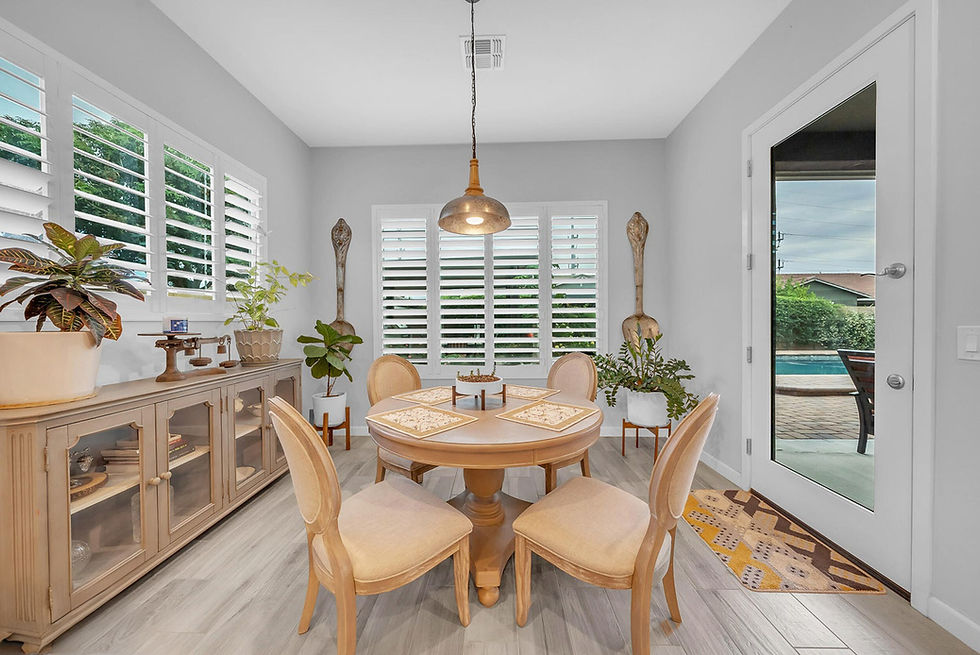
➡️ INSERT IMAGE HERE: Desaturated interior — Before (wannabe photographer)
Issue #4: Exteriors Shot in the Dark
The exterior photos on this shoot were dark. Not twilight-dark. Not moody-dark. Just dark — underexposed, flat images that look like something went wrong with the camera settings. The shoot began at 5:00pm with sunset at approximately 7:10pm. That's over two hours of usable daylight that a competent photographer would have used to capture bright, crisp, properly exposed exterior shots.
There is no technical explanation that justifies dark exterior photos at 5pm in Arizona. This is an exposure and settings failure — the kind that experienced photographers simply don't make.


Issue #5: Twilight Photography That's Cold, Blue, and Overprocessed
Twilight photography has one job: to make a home look warm, inviting, and aspirational. It's shot at dusk because the combination of the ambient sky — transitioning from gold to blue — with the warm interior and landscape lighting creates an emotional response in buyers. You want them to look at that photo and think about what it would feel like to sit in that backyard on a summer evening.
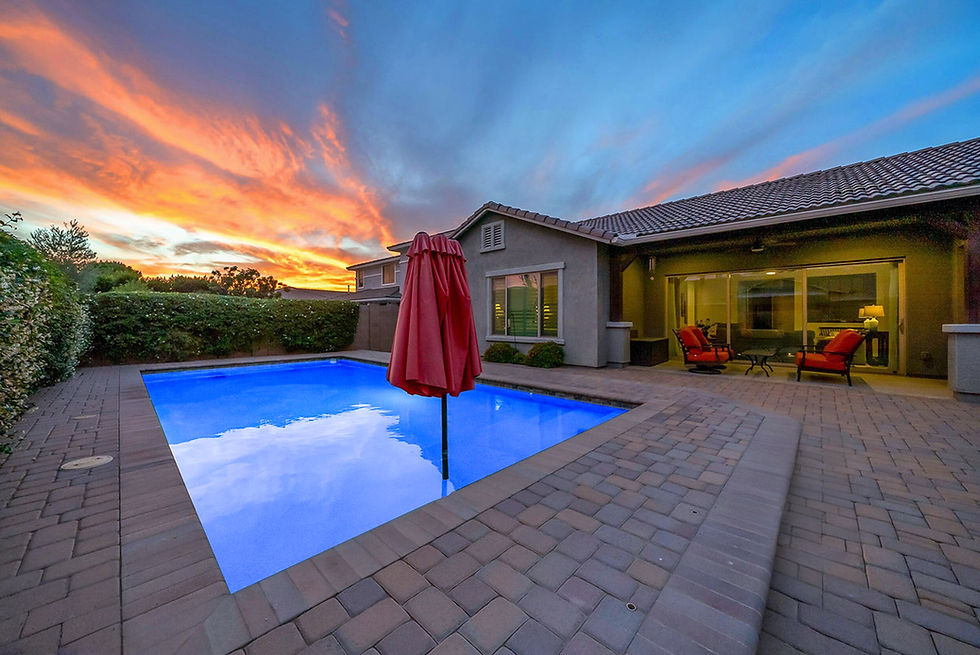
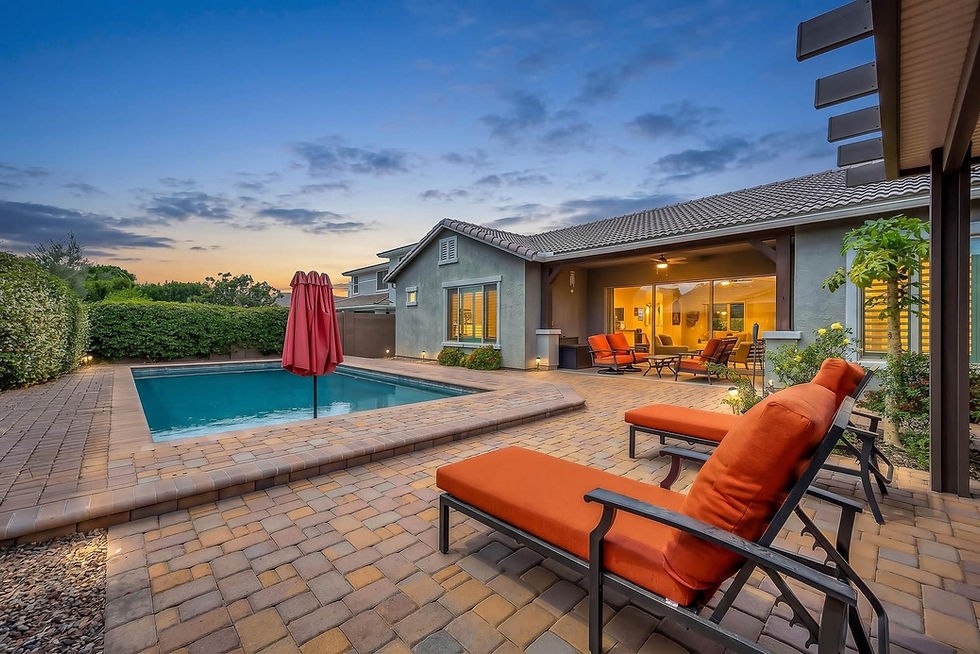
The twilight photos from this shoot have zero warmth. The images are cold, blue-dominated, and clinical. The pool is an unnatural, hyper-saturated electric blue that looks Photoshopped — because it is, badly. Twilight photography that fails to create warmth doesn't just miss the mark aesthetically. It defeats the entire purpose of the service the seller paid for.
Here's a detail worth noting: The Listing Bees offers virtual twilight photography that consistently outperforms real twilight shots from photographers who don't understand the editing requirements. We've said this publicly and we stand behind it — a well-executed virtual twilight from our team will outperform a poorly executed real twilight every time.
Issue #6: Drone Photos With No Sense of Composition
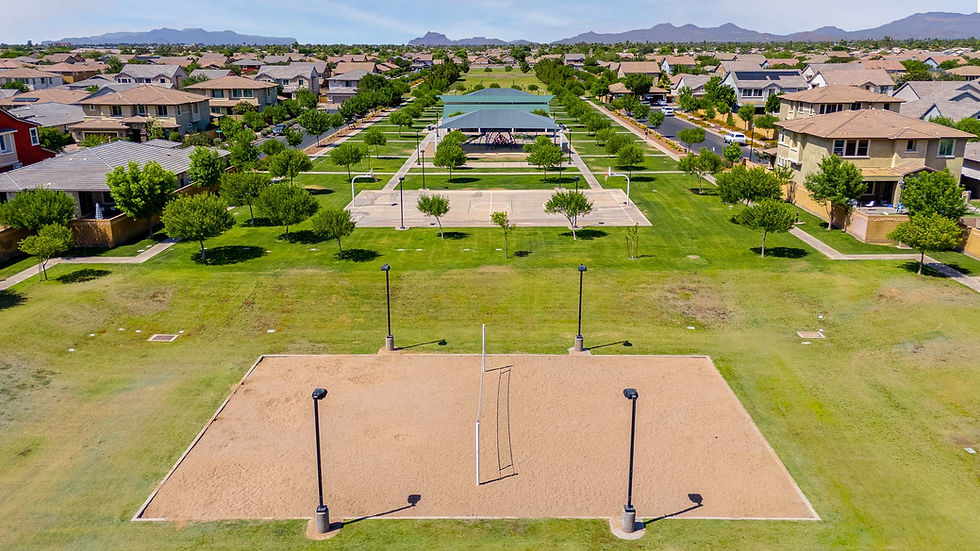
Drone photography for real estate has two primary goals: show the property in its full context (lot, backyard, proximity to amenities) and provide a sense of the community and neighborhood that ground-level photography can't capture. Both require deliberate composition.
On this shoot, the community overview shots are visibly crooked — the horizon isn't level and the neighborhood grid is tilted. The straight-down shot of the home itself has the property off-center in the frame. These aren't subtle issues. They're composition basics that any trained drone operator catches before the drone lands. The saying in photography is that you either have an eye for it or you don't. This photographer doesn't.

The Cost of Getting It Wrong
On an $800,000 listing, a 1% impact on sale price is $8,000. Studies consistently show that homes with professional photography sell faster and for more money than homes without. But that assumes the photography is actually professional. Low-quality photography at professional prices creates the worst possible outcome: the seller pays, the agent thinks the box is checked, and the listing still performs like it has no photography at all.
In this case, the seller had to arrange a full reshoot. The original photos could not be salvaged — not because of one fixable issue, but because the foundational technical failures (wrong lens, wrong composition, wrong editing approach) couldn't be corrected in post-processing. The entire home had to be photographed again from scratch.
What to Look For When Hiring a Real Estate Photographer
Ask specifically whether they use a dedicated wide-angle lens for interiors and a full frame camera. Not a hobby camera with a lens at its widest setting.
Ask to see a portfolio of 3-5 complete home shoots — not just their best 20 individual photos. Consistency matters more than peak performance.
Ask whether they use HDR bracketing for interiors. This is how professional photographers handle the exposure challenge of bright windows against darker interiors.
Ask about their editing process for twilight photography. The answer should involve warmth retention, sky blending, and pool color calibration — not just 'we adjust the lighting.'
Ask how many listings they have shot in the past 12 months. Volume builds the eye. A photographer who shoots 5 homes a year does not have the same pattern recognition as one who shoots 500.
Why Experience and Editing Skills Are Non-Negotiable
The Listing Bees has photographed thousands of listings across the Phoenix East Valley. Our photographers shoot real estate exclusively — not weddings, not portraits, not landscapes on weekends. Real estate photography is a specialty, and specialization produces consistency. When you book with us, you're not hoping the photographer happens to have a good eye. You're getting a team that has refined its approach across every type of home, neighborhood, and lighting condition the Valley offers.
Our editing process is equally deliberate. We do not desaturate to fix white balance issues. We correct white balance properly, preserve accurate colors, and deliver photos that look like the home — not a representation of it filtered through someone's technical shortcomings. When a seller's upgrades represent $50,000 in added value, those upgrades need to be visible in the photos.
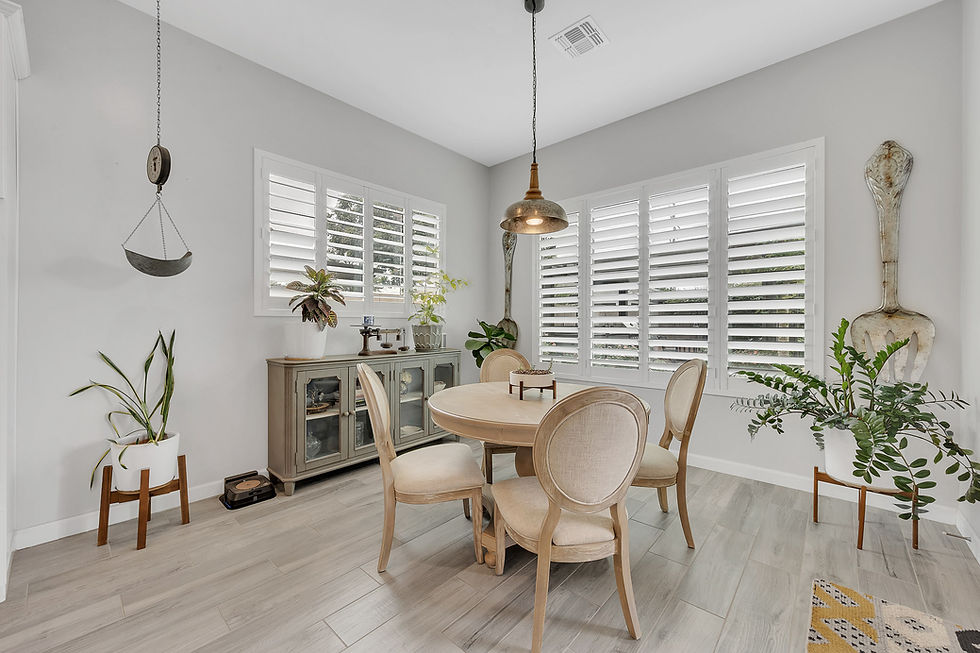
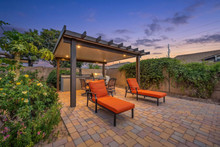
The photos below are the final product from the Mesa reshoot. Same home. Completely different experience for every buyer who sees the listing.










If you're an agent or seller in Mesa, Chandler, Gilbert, or anywhere in the Phoenix metro, and you want photography that delivers what it promises — contact The Listing Bees. Your listing deserves better than a wannabe with a camera.


